

Asphalt Crack Sealing in Denver, CO
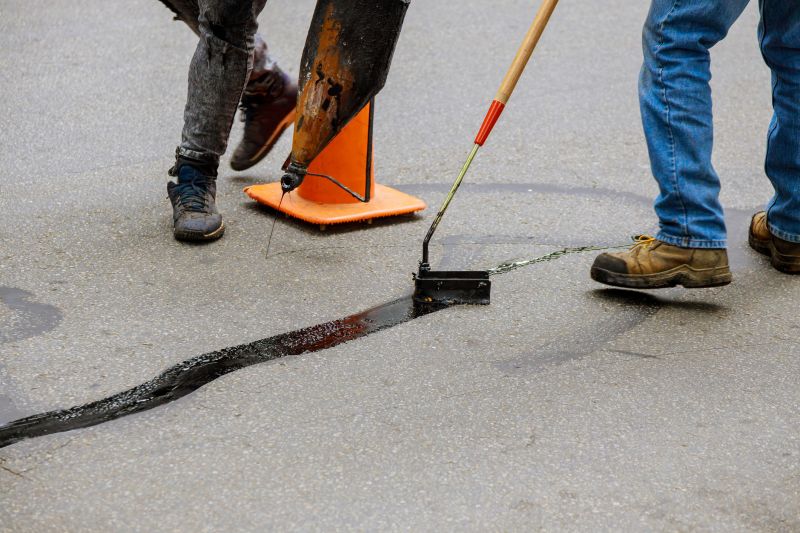
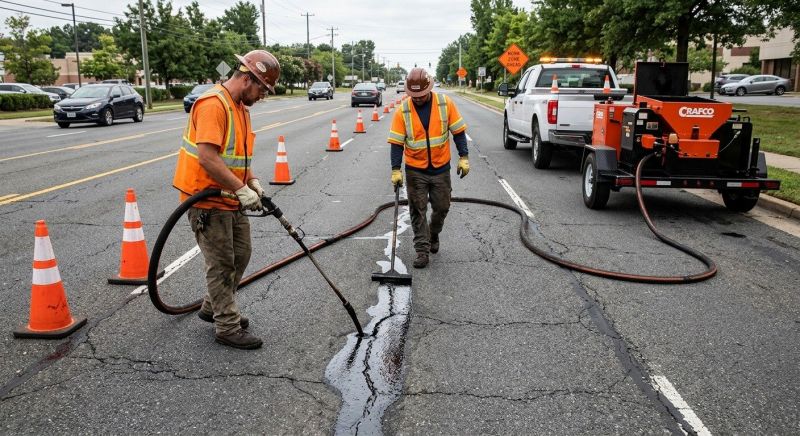
Asphalt crack sealing is a maintenance service designed to fill and seal cracks that develop in asphalt pavements, helping to prevent water infiltration and further deterioration. This service is commonly requested for driveways, parking lots, and private roads, especially in areas where temperature fluctuations and weather conditions can cause asphalt to expand and contract. Property owners typically want to understand how crack sealing can extend the lifespan of their asphalt surfaces, reduce the need for costly repairs, and maintain a smooth, safe surface for vehicles and pedestrians.
Before requesting asphalt crack sealing, property owners should consider the extent and severity of existing cracks, as well as the overall condition of the pavement. It is important to identify whether cracks are active or stabilized, as this can influence the effectiveness of sealing. Proper surface preparation, including cleaning and removing debris from cracks, is essential for optimal results. Understanding these factors can help ensure the service provides the best protection against further damage and preserves the integrity of the asphalt surface.
Many property owners in Denver, CO look into Asphalt Crack Sealing for repairs, replacements, upgrades, and appearance-related improvements.
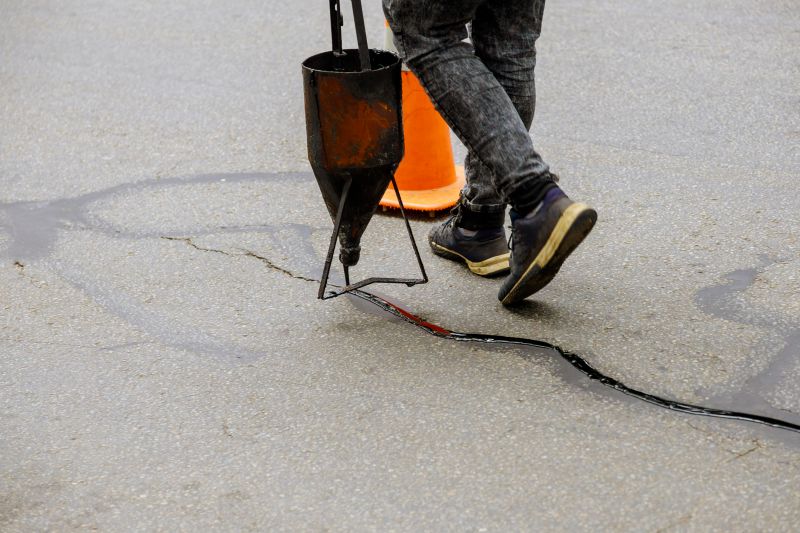
Preventing Further Damage
Sealing cracks helps protect asphalt surfaces from water penetration and deterioration.
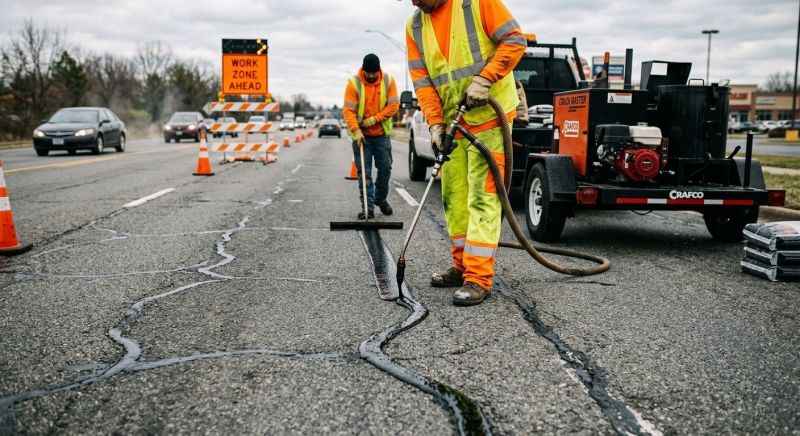
Maintaining Surface Integrity
Proper crack sealing extends the lifespan of driveways and parking lots in denver and surrounding areas.
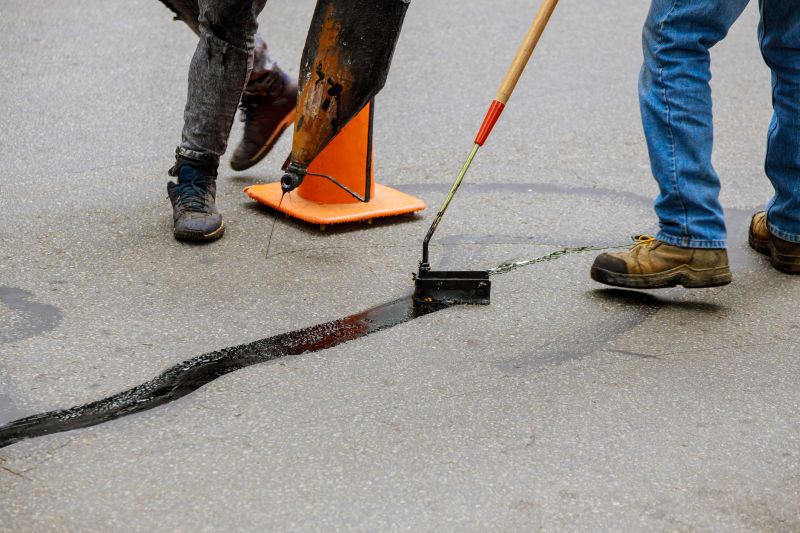
Enhancing Curb Appeal
Sealed cracks improve the appearance of asphalt surfaces, making properties look well-maintained and inviting.
Asphalt Crack Sealing in Denver, CO

Asphalt crack sealing is a maintenance service designed to fill and seal cracks that develop in asphalt pavements, helping to prevent water infiltration and further deterioration. This service is commonly requested for driveways, parking lots, and private roads, especially in areas where temperature fluctuations and weather conditions can cause asphalt to expand and contract. Property owners typically want to understand how crack sealing can extend the lifespan of their asphalt surfaces, reduce the need for costly repairs, and maintain a smooth, safe surface for vehicles and pedestrians.
Before requesting asphalt crack sealing, property owners should consider the extent and severity of existing cracks, as well as the overall condition of the pavement. It is important to identify whether cracks are active or stabilized, as this can influence the effectiveness of sealing. Proper surface preparation, including cleaning and removing debris from cracks, is essential for optimal results. Understanding these factors can help ensure the service provides the best protection against further damage and preserves the integrity of the asphalt surface.
Many property owners in Denver, CO look into Asphalt Crack Sealing for repairs, replacements, upgrades, and appearance-related improvements.
Common Asphalt Crack Sealing Jobs
Residential driveways - sealing cracks helps prevent further deterioration and extends pavement life.
Commercial parking lots - maintaining crack seals keeps surfaces safe and minimizes trip hazards.
Sidewalks and walkways - sealing cracks preserves the integrity of walking surfaces and reduces liability.
Garage aprons - crack sealing protects against water infiltration and structural damage.
Patios and recreational areas - sealing cracks maintains appearance and prevents weed growth.
Property maintenance projects - regular crack sealing supports overall pavement durability and value.
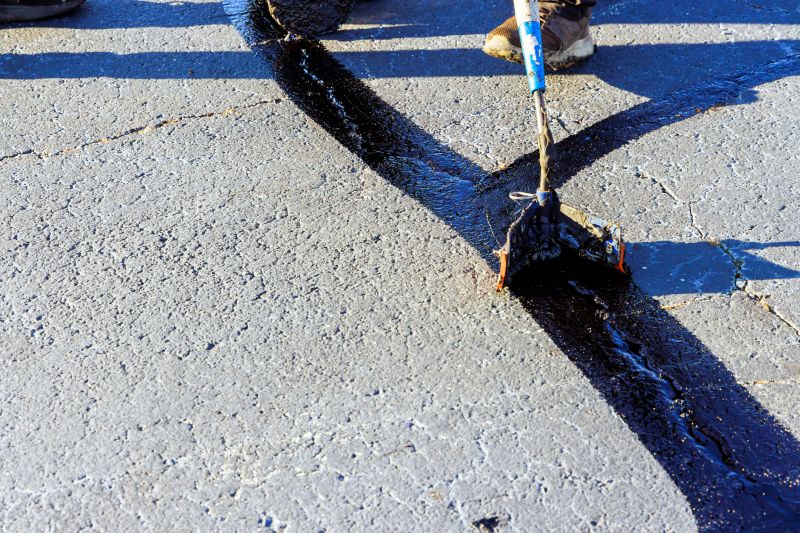
Asphalt Crack Sealing Questions
What is asphalt crack sealing? Asphalt crack sealing involves filling and sealing cracks in pavement to prevent water and debris from entering and causing further damage.
Why is crack sealing important? Sealing cracks helps extend the lifespan of asphalt surfaces by preventing deterioration caused by water infiltration and freeze-thaw cycles.
What types of cracks are suitable for sealing? Common cracks suitable for sealing include transverse, longitudinal, and alligator cracks that are less than a quarter-inch wide.
When should crack sealing be performed? Crack sealing is typically done when cracks are clean and dry, often before the pavement shows signs of significant deterioration.
Request Asphalt Crack Sealing in Denver, CO
Use the quote form on this page to share the basics of your project and request more information for the type of work you need.